
ERP Solutions for the Oil & Gas Industry in Malaysia
Drive operational efficiency, ensure regulatory compliance, and maximize profitability with ERP tailored for the energy sector.
Transforming Oil & Gas Industry
with ERP Solutions



How Hypernix Implements ERP for Oil & Gas Companies
A proven roadmap for success.
1. Discovery
Assess current systems, compliance needs, and business goals.
2. Configuration
3. Pilot & Training
4. Go-Live & Support
FAQs about Oil & Gas ERP System in Malaysia
How does ERP software improve safety and compliance in oil and gas?
ERP automates documentation, reporting, and alerts to ensure you meet international and Malaysian safety standards.
Can ERP systems manage upstream and downstream oil and gas operations?
Yes. ERP unifies exploration, production, refining, and distribution into a single platform.
What are the most critical ERP modules for the oil and gas industry?
Business Intelligence & ESG, Warehouse Management, and Asset Monitoring are key for efficiency and compliance.
Is Cloud ERP software secure for oil and gas operations in Malaysia?
Absolutely. Cloud-based ERPs like NetSuite and Dynamics are equipped with enterprise-grade security and compliance certifications.
How much does ERP implementation cost for an oil and gas company in Malaysia?
ERP implementation costs vary depending on the platform selected, such as Oracle NetSuite, Microsoft Dynamics, or another ERP system, as well as the number of users, modules required, complexity of existing systems, and whether deployment covers one or multiple entities.
For oil and gas companies, project-based accounting, asset management, HSE compliance, warehouse management, and reporting modules are typically core requirements that influence the overall scope.
Hypernix provides transparent, scoped pricing based on a discovery review of your specific operations. Contact the team for a tailored assessment.
How does ERP support asset management for oil and gas companies in Malaysia?
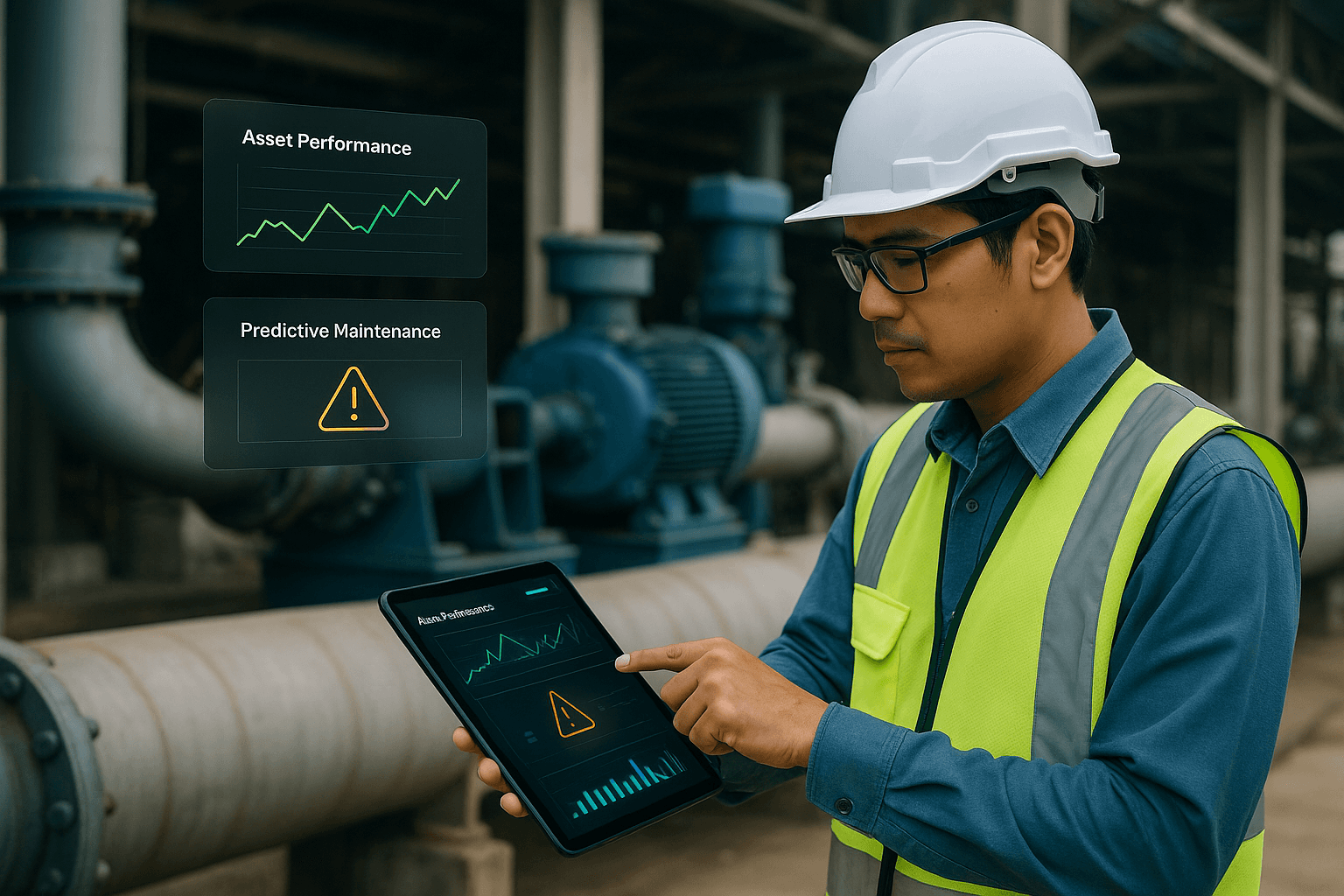
Oil and gas ERP systems manage the full asset lifecycle, from procurement and commissioning through to maintenance scheduling, depreciation tracking, and decommissioning. Real-time visibility across field equipment, pipelines, and production assets helps operations teams schedule preventive maintenance, track asset condition, and reduce unplanned downtime. For Malaysian operators managing geographically distributed assets, ERP consolidates asset data across sites into a single system of record.
Does ERP include support for LHDN e-invoice compliance for oil and gas companies?
Yes. All Malaysia-registered companies, including oil and gas operators and service contractors, are required to comply with LHDN’s phased e-invoice mandate.
Hypernix’s e-Invoice module automates invoice generation, validation, and submission to the LHDN MyInvois portal directly from your ERP system.
For oil and gas companies with high invoice volumes across upstream procurement, contractor billing, and downstream distribution, automating this process reduces manual submission risk and supports compliance as the mandate phases apply to your company size.
Can ERP handle project-based accounting for oil and gas companies?
Yes. Oil and gas ERP systems include project-based accounting modules that allocate costs directly to wells, contracts, or project codes. Finance teams track budgets, commitments, and actuals in real time across multiple projects, with automated intercompany billing for multi-entity operations. This replaces manual spreadsheet reconciliation and gives management a clear view of project margins and cash flow at any point in the lifecycle.
How does ERP automate operations for oil and gas companies in Malaysia?
ERP automation in oil and gas removes manual steps from high-volume operational processes, including purchase order approvals, vendor invoice matching, maintenance work order scheduling, HSE incident documentation, and period-end financial close.
For companies managing multiple project sites or cost centres, automated workflows apply approval routing, cost allocation, and compliance checks without manual intervention at each step. Finance teams benefit from automated intercompany reconciliations and real-time cash flow reporting across upstream, midstream, and downstream operations.
Malaysian oil and gas companies operate under documentation and audit requirements where manual processes increase both turnaround time and error risk. ERP-driven automation applies a consistent, auditable process across procurement, compliance, and financial reporting, reducing dependency on individual staff to manage approvals and submissions correctly.
How is artificial intelligence used in oil and gas ERP systems?
Artificial intelligence in oil and gas ERP is primarily applied across three areas: predictive maintenance, demand forecasting, and data analytics for operational decision-making.
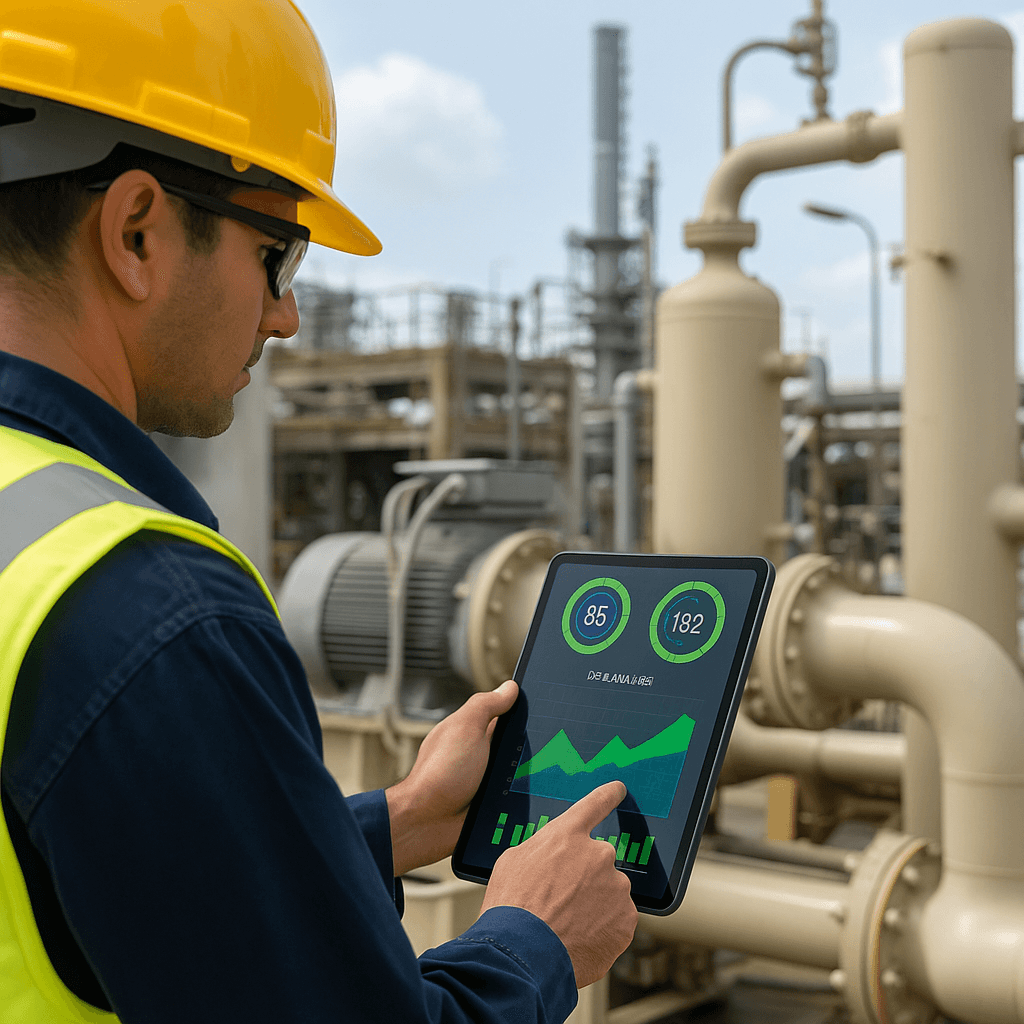
Predictive maintenance uses sensor data and historical equipment performance patterns to flag assets likely to fail before a breakdown occurs, reducing unplanned downtime across compressors, pumping stations, and pipeline networks. Demand forecasting improves procurement planning by modeling material requirements against project timelines and historical consumption rates.
In Malaysian oil and gas operations, AI applications are gaining traction among PETRONAS-licensed contractors managing multi-site data volumes that manual reporting cannot handle at speed. When combined with real-time dashboards and BI modules, AI tools allow operations and finance teams to act on current data rather than reviewing reports after the fact, reducing cost overruns and shortening response time to field anomalies.

