What is ERP?

Key Takeaways
Discover how an ERP system connects all key parts of your business. From finance, procurement, inventory, logistics, sales, operations, inventory, and HR into a single unified platform, giving you better visibility, smoother workflows, and smarter decision-making.
Understand why ERP is crucial for Malaysian businesses, helping reduce errors, streamline operations, and support faster, more informed decision-making.
Learn about the different types of ERP systems, including on-premise, cloud-based, and hybrid models, and discover how each one fits different business needs when it comes to cost, control, and scalability.
See how ERP compares to standalone software, eliminating silos, improving data accuracy, and providing real-time insights across departments.
Discover what to look for in an ERP provider, from integration capabilities and scalability to vendor reputation and local support in Malaysia.
What is an Enterprise Resource Planning (ERP) System?
Across Malaysia, businesses of all sizes, from single-entity companies to large multi-entity organisations, are recognising that keeping pace with technology is essential for long-term success, as outlined by Faster Future. The days of relying on paperwork and disconnected systems are fading fast. It’s no surprise, then, that Enterprise Resource Planning (ERP) systems are now seen as valuable investments for any company hoping to stay ahead.
This growing awareness aligns with national efforts by the Ministry of Digital and its agencies such as the Malaysia Digital Economy Corporation (MDEC), the National Digital Department, and Digital Nasional Berhad. These bodies champion the adoption of digital technologies—including automation, AI, and business management software—through initiatives such as Malaysia Digital (MD), and the Digital Transformation Acceleration Programme (DTAP)
For organisations with an eye on growth and efficiency, understanding the advantages of the best ERP solutions is more than just useful, but a necessity. The right system can make a noticeable difference to how a business runs, helping to control costs, improve performance, and support better decision-making at every level.
How Does an ERP System Work?
An ERP system acts as the central hub and a single source of truth for a company’s operations. Rather than juggling separate applications for finance, HR, inventory, sales, and procurement, an integrated ERP programme brings these functions together within a single platform. This approach means information flows smoothly between departments, barriers to collaboration are removed.
For companies with multiple locations or subsidiaries, the need for an integrated solution becomes even more critical. Modern ERP systems offer multi-entity integration, intercompany consolidation, and centralised reporting. These features are essential for accurate financial management, regulatory compliance, and strategic planning. They allow for seamless data sharing, standardised processes, and real-time visibility across all entities, regardless of geographical spread.
According to Forbes, in a fast-moving and competitive market, such integration is increasingly important. ERP applications help break down silos, encourage teamwork, and provide up-to-date information for confident, well-informed decisions. It’s a bit like having a well-coordinated team, where everyone knows their role and can respond quickly when things change.
Why is ERP Software Important for Companies in Malaysia?
It becomes obvious that ERP systems make a huge difference in Malaysian businesses when comparing performance before and after adopting the software. The benefits are most apparent in everyday operations, where ERP programmes bring together essential modules tailored to different business needs, such as:
Finance: Automates accounting, budgeting, and financial reporting.
Human Resources: Manages employee records, payroll, and recruitment.
Inventory Management: Tracks stock levels, orders, and supply chain logistics.
Sales and Marketing: Supports customer management, sales tracking, and campaign analysis.
Procurement: Streamlines purchasing, vendor management, and approvals.
Multi-Entity & Location integration : Enables intercompany finance consolidation, transaction management, centralised reporting, budgeting, and forecasting analytics for complex organisational structures.
When these components work in harmony, organisations tend to experience remarkable improvements in their operations. Data moves efficiently between different teams, departments and subsidiaries which not only reduces duplication but also helps prevent mistakes.
The best ERP programmes help reduce manual tasks and enable a faster response to changes in the market, something every business can appreciate, especially during busy periods or when scaling up.
Types of ERP Systems, Platforms and Applications in Malaysia
There is no single solution that suits every company. In Malaysia, several types of ERP systems and programmes are available to choose from:
On-premise ERP: Installed locally on company servers. Offers potential for control and customisation, but the extent depends on the system’s flexibility and licensing. Requires higher upfront costs and ongoing maintenance.
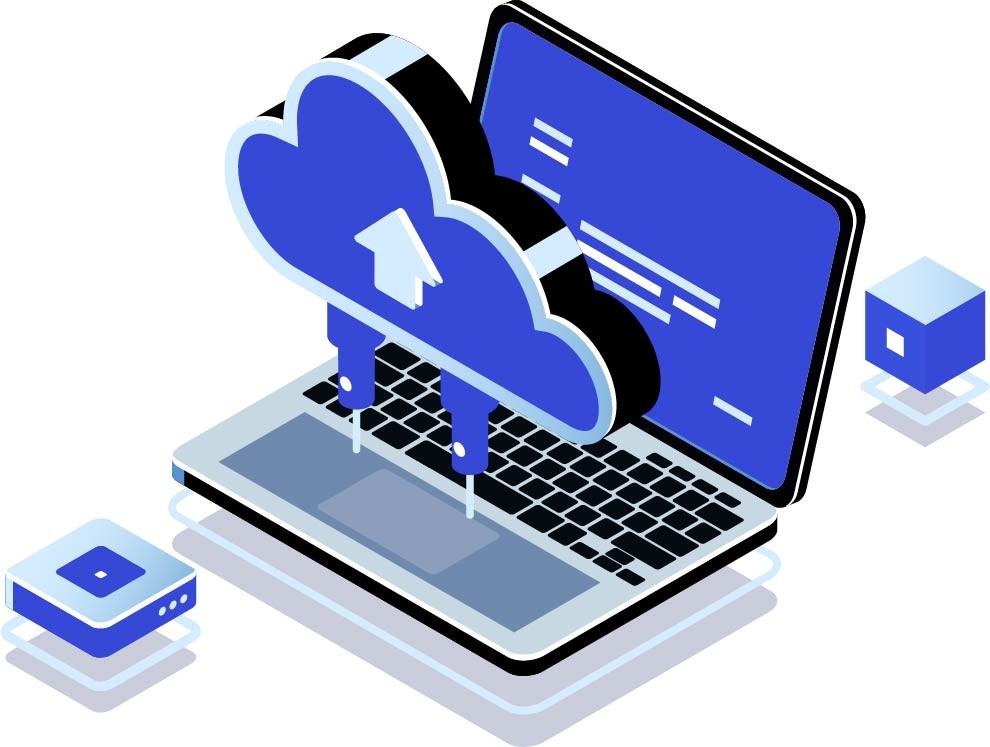
Cloud-based ERP: Hosted online, accessible from anywhere. Lower initial costs, regular updates, embedded with AI & ML capabilities, and future proof scalability for growing businesses.
Hybrid ERP: Combines on-premise and cloud features, offering flexibility for companies with unique needs.
When weighing up the options, it’s worth considering what matters most: control, flexibility, or price. Taking the time to match the system to the company’s needs can save a lot of hassle down the line.

ERP vs. Other Enterprise Resource Applications
In the early stages of business growth, many companies start out with separate software for different job solutions. A typical setup might include accounting software for financial management, a CRM system for customer relationships, and separate platforms for inventory and HR management. These standalone solutions work for a while, but as your business grows, it can create operational bottlenecks, leading to data inconsistencies, manual reconciliation work, and delayed decision-making processes.
A top ERP system solves these problems by bringing everything together. Instead of struggling with disconnected systems, organisations gain immediate access to accurate, real-time data across departments, making it easier to manage the business, spot issues early, and plan to scale operations.
How to Choose the Best ERP Solution Provider in Malaysia
Choosing the right ERP provider is a decision that deserves careful thought. Here are some practical tips that any business can follow:
Assess your business needs: Identify which modules and features are essential.
Compare features and Integration Capabilities: Look for solutions that offer customisation, and integration with existing systems.
Future Proof : Choose a solution designed to scale as your business grows, supporting future expansion without incurring unnecessary upgrade costs or causing operational disruptions.
Fast Growing Companies: Consider the impact as your company expands into multiple entities, across different locations or countries, or even manages several subsidiaries. Ensure your ERP system can support this growth without becoming a limiting factor.
Check vendor reputation: Review customer feedback, case studies, and testimonials to gauge reliability and track record.
Consider local support: ERP providers with operations in Malaysia can offer more responsive support and a better understanding of local business practices and regulatory requirements.
Hypernix stands out in the Malaysian market by offering ERP solutions that address these crucial requirements. These systems are designed to enhance efficiency, maintain data accuracy, and support sustainable growth, all at a competitive price.
Our dedicated team of ERP specialists is always ready to help unlock the full potential of any workforce and business. Get in touch with us today to find out how our enterprise resource planning solutions can simplify operations and support lasting growth. Together, we can build a stronger, more efficient future for your organisation.
ERP System FAQs
1. What is an enterprise resource planning (ERP) system?
An ERP system is software that integrates and manages core business processes such as finance, inventory, and human resources in one platform.
2. How do ERP software solutions benefit businesses?
ERP software streamlines operations, improves data accuracy, and enhances decision-making for businesses.
3. What is an Example of an ERP System?
An example of an ERP system is Oracle NetSuite, a cloud-based enterprise resource planning software used by businesses worldwide. It helps companies address challenges such as competitive markets, complex tax regulations, and the need for streamlined operational efficiency.
4. What are the key features of enterprise resource management software?
Enterprise resource management software typically offers modules for inventory tracking, financial accounting, payroll, procurement, and real-time reporting. These features help businesses monitor performance, control costs, and manage resources efficiently.
5. Can ERP systems be customised for different industries?
Yes, ERP software can be customised for various industries like manufacturing, retail, and services.
Citation and references:
Faster Future. Keeping Pace with Progress: The Future of Technology Roles in Modern Business. 2025. Available at: https://www.fasterfuture.org/blog/keeping-pace-with-progress-the-future-of-technology-roles
Forbes. The Growing Importance Of Data Integration Between Departments. 2018. Available at: https://www.forbes.com/sites/forbestechcouncil/2018/05/15/the-growing-importance-of-data-integration-between-departments/
MDEC. Malaysia Digital Economy Corporation Official Website. 2024. Available at: https://mdec.my/
Ministry of Digital Malaysia. National Digital Department Official Website. 2024. Available at: https://www.digital.gov.my/
Digital Nasional Berhad. Digital Nasional Berhad Official Website. 2024. Available at: https://www.digitalnasional.com.my/
MDEC. Malaysia Digital (MD). 2024. Available at: https://mdec.my/malaysiadigital
SME Grant Malaysia. Digital Transformation Acceleration Programme (DTAP). 2024. Available at: https://smegrantmalaysia.com/digital-transformation-acceleration-programme-dtap/
About the author

Dominic Gopal is the CEO of Hypernix Sdn Bhd, a leading digital transformation consultancy in Malaysia. With over 34 years of experience in ERP, RPA, and AI-driven solutions, he has led 50+ successful implementations, helping enterprises achieve smarter, scalable operations.